


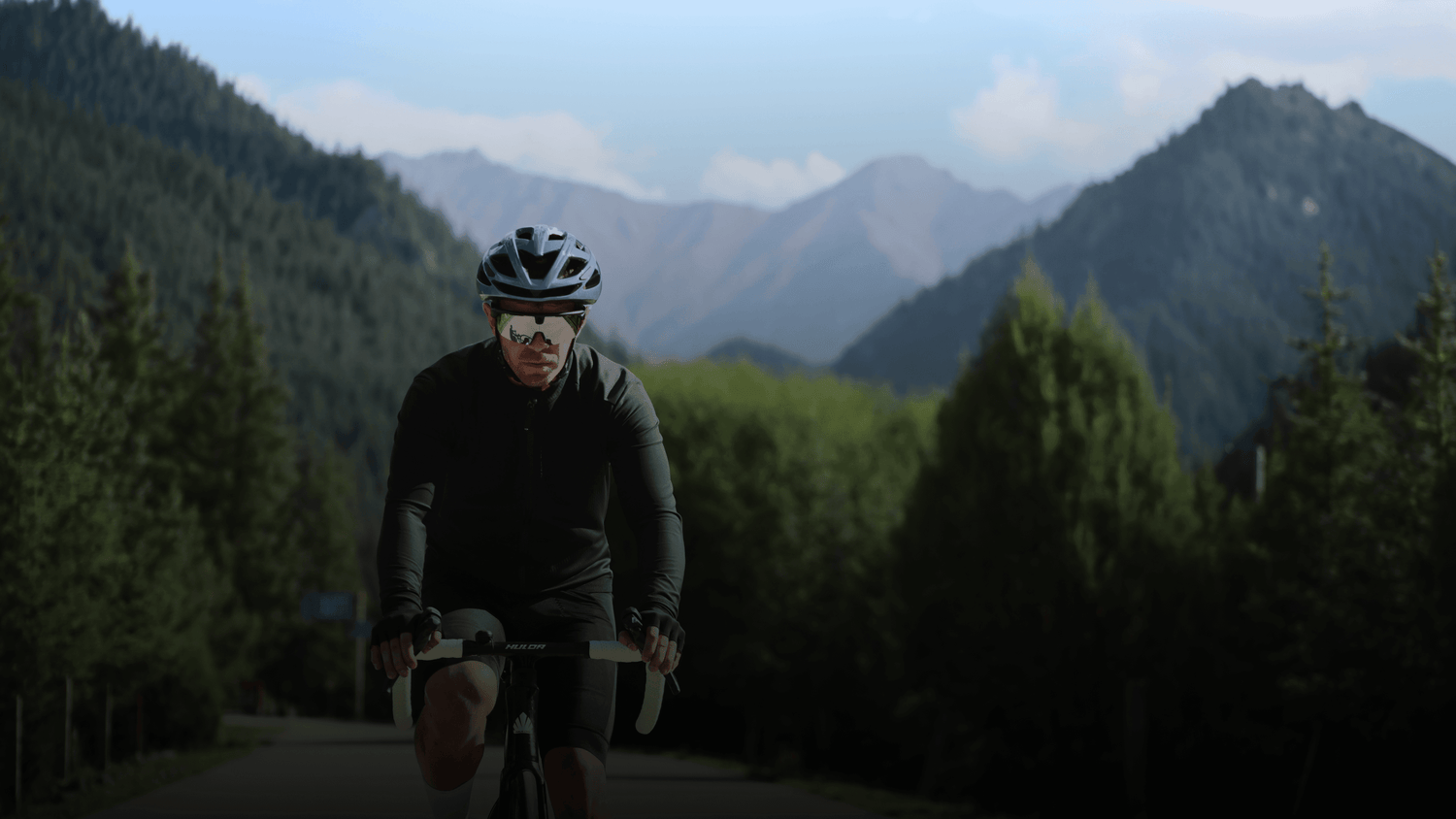
A ride rarely happens only in the center of the road. Rover's 120-degree field of view helps POV camera glasses capture the lane, riders, terrain, and edge context that make cycling footage feel complete.
Many cycling cameras can record a sharp center image. The harder job is keeping enough of the ride in the frame. On a road bike, a narrow view can crop out the shoulder, the group line, or the shape of a turn. On gravel, it can miss the side detail that explains why a section felt technical.
BleeqUp Rover uses a 120-degree field of view to make first-person footage feel less cramped. The goal is not to exaggerate the scene. It is to keep more of the useful context a rider naturally sees while moving.
Why wider POV matters for riders
A good POV clip needs road position, spacing, terrain, and motion cues. When those details stay visible, a viewer can understand why a climb felt hard, why a descent felt fast, or how a group changed formation through a corner.
That context also helps the rider after the session. A wider field of view makes it easier to review line choice, traffic position, and the moments worth saving. For riders comparing POV camera glasses, field of view should sit near the top of the checklist.
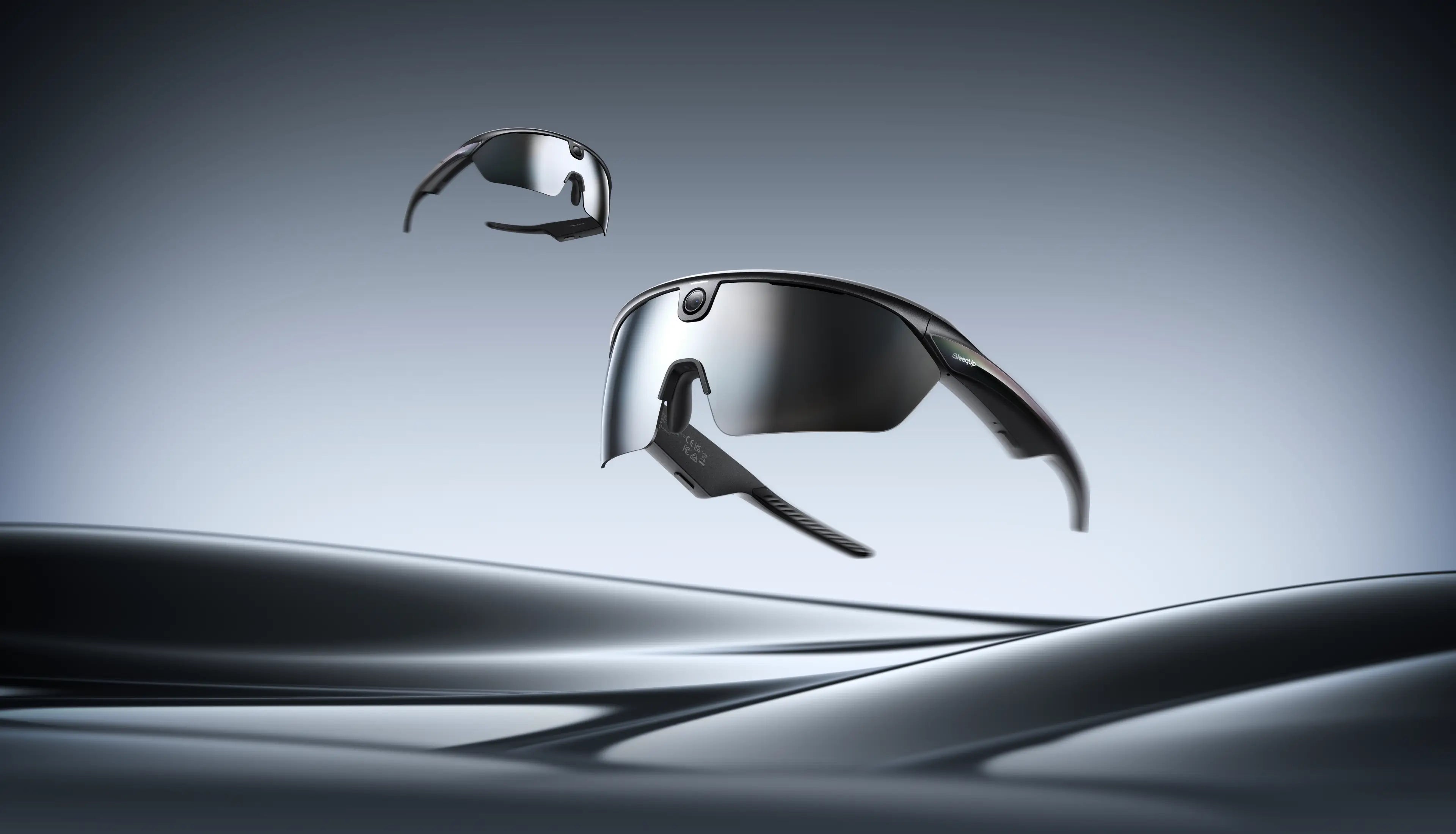
What 120 degrees changes in real footage
| Ride situation | What a wider POV keeps visible | Why it matters |
|---|---|---|
| Group rides | Riders ahead, lane position, and spacing | The clip shows the flow of the group, not only the wheel in front. |
| Gravel and trails | Surface texture, bends, and side terrain | The route feels more understandable when the terrain stays in frame. |
| Urban commuting | Road edge, intersections, and surrounding movement | More context makes a short commute clip easier to review. |
| Creator clips | Scenery, body motion, and direction changes | POV video feels more like the ride instead of a cropped tunnel view. |
Rover keeps the view wearable
The 120-degree view matters because Rover is worn as camera glasses. The recording follows the rider's line of sight without adding a helmet mount, chest rig, or handlebar camera. That makes the footage useful for riders who want a natural first-person perspective without changing their setup before every ride.
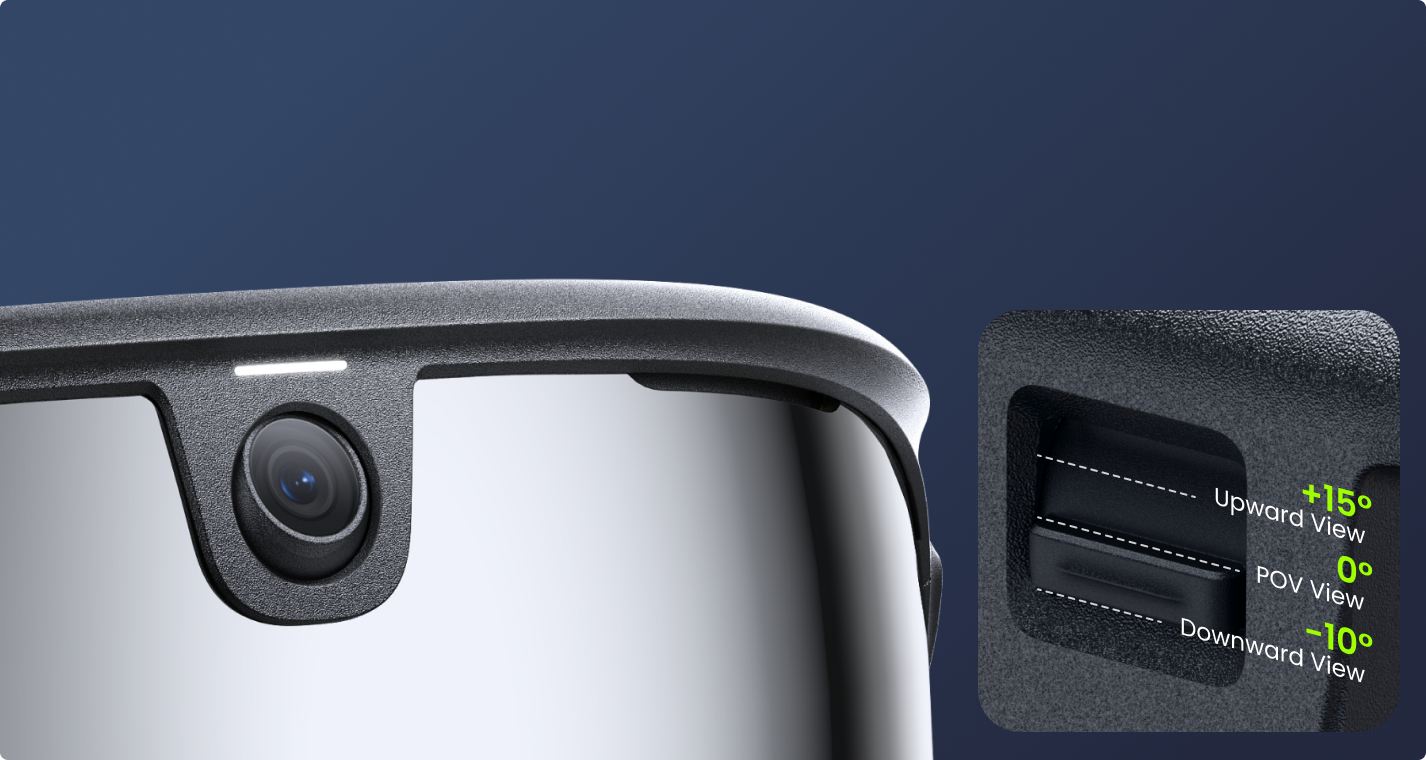
The wider FOV also works alongside Rover's adjustable camera angle. If posture changes between a relaxed commute and a lower road-bike position, the lens angle helps frame the shot while the 120-degree view keeps the surrounding ride context. For more on angle control, read why adjustable camera angle matters in cycling camera glasses.
How this supports the AI workflow
Rover is not only built for saving raw footage. The broader product workflow includes AI-assisted highlights, clip search, and route storytelling. Those tools are more useful when the source footage contains enough visual context to identify a climb, corner, descent, sprint, or group moment.
If you are comparing camera quality as well as framing, the next article in the series explains Rover 3K 60FPS HDR recording. For post-ride editing basics, you can also review how to use BleeqUp App AI Highlights.
Recommended Rover products
For riders who want a wider wearable POV, Rover is the core product to evaluate. Start with the BleeqUp Rover AI Sports Glasses. Riders building a fuller setup for longer sessions can compare the Rover AI Sports Glasses Bundle and Rover Power Plus. If your routes move between sun, shade, and open road, add the Rover Photochromic Lens to the Rover kit.
FAQ
What is Rover's field of view?
The Rover product source describes a 120-degree field of view for the camera.
Why does a 120-degree POV help cycling footage?
A wider frame keeps more of the lane, riders, roadside context, and terrain in view, so the clip feels closer to what the rider experienced.
Is a wider POV only useful for social clips?
No. It also helps ride review, route storytelling, group-ride spacing, and AI-assisted workflows that need enough visual context.


