


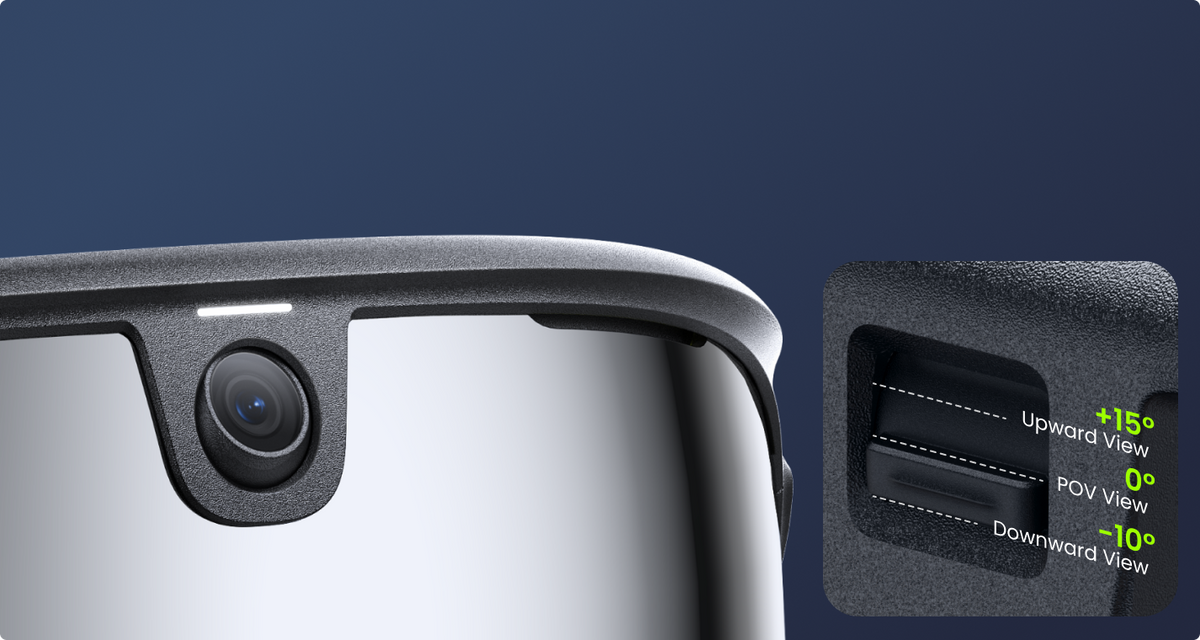
A fixed camera lens can make a good ride look wrong. Rover's 3-level adjustable camera angle helps cyclists keep the road, horizon, and riding line in frame without changing how they naturally hold their head.
Bicycle posture changes more than most camera specs admit. On a relaxed commute, your head sits upright. On a road bike, especially in a lower or aero position, your torso drops and the camera view moves with it. A fixed lens can point too low on descents, too high in city traffic, or slightly off when a rider wears a cap.
BleeqUp Rover is built around that real riding problem. Its lens can be manually set at -10 degrees, 0 degrees, or 15 degrees, giving riders a practical way to match the camera to the way they actually ride.
Why angle control matters on a bike
Camera glasses are different from a phone or handlebar camera because the frame sits on your face. That is the point: the footage follows your point of view. But it also means posture, headwear, bike fit, and terrain all affect the shot.
When the angle is wrong, small mistakes become obvious. The road line drops out of frame. The horizon tilts too high. Riders ahead disappear at the edge of the video. With adjustable camera angle, Rover gives cyclists a way to set the view before the ride instead of forcing an awkward neck position during the ride.
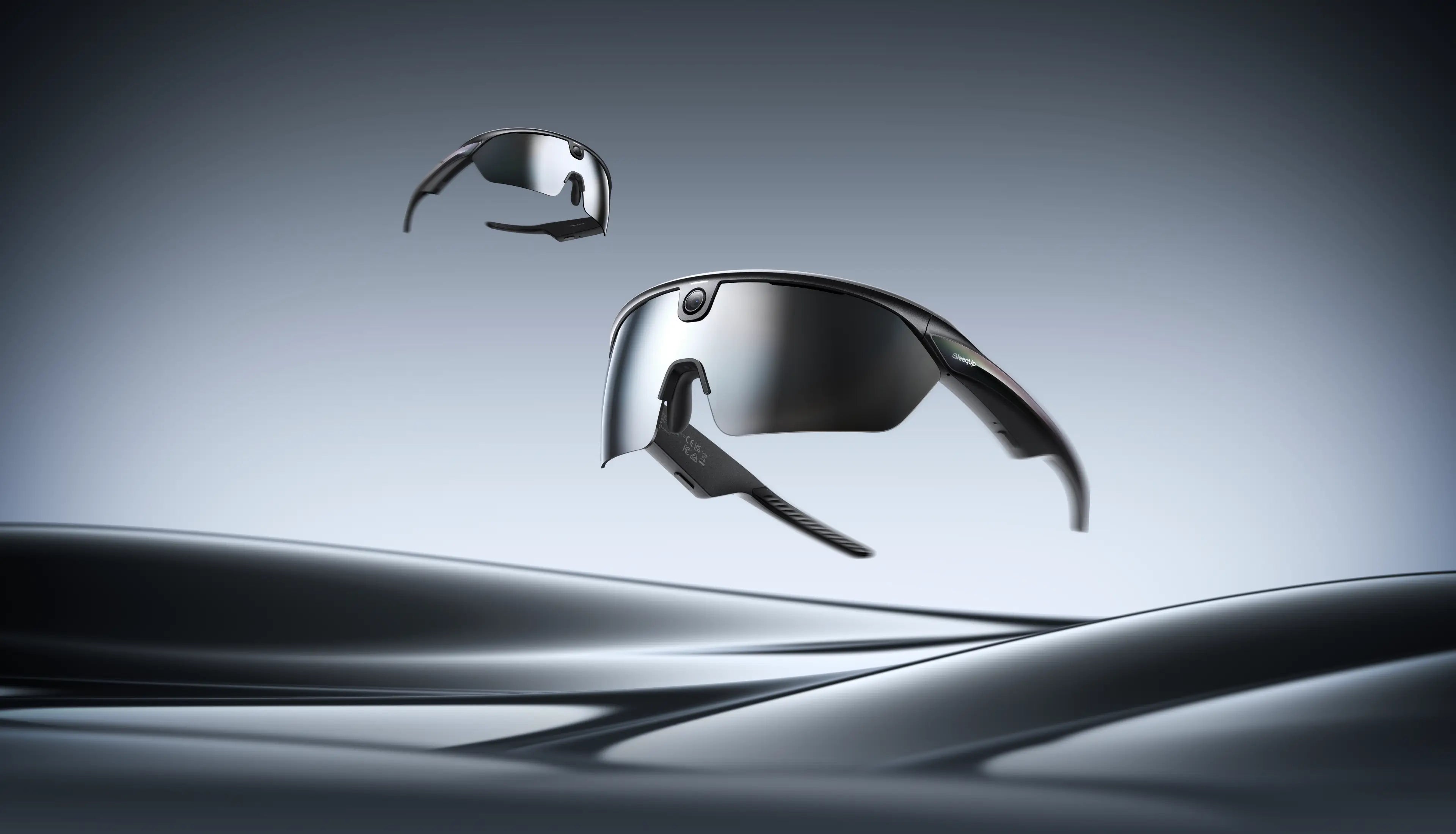
Rover's three camera-angle settings
| Lens setting | Best fit | Why riders use it |
|---|---|---|
| -10 degrees | More upright head positions or cap use | Helps avoid framing too much sky when the glasses sit higher on the face. |
| 0 degrees | General outdoor recording | A neutral starting point for commuting, mixed rides, and everyday POV footage. |
| 15 degrees | Lower road-bike or aero positions | Helps keep the road ahead visible when the rider's posture naturally drops. |
The setting is manual, which is useful for riders who know the kind of session they are about to record. A road descent, a gravel ride, a daily commute, and a group ride do not all need the same lens position.
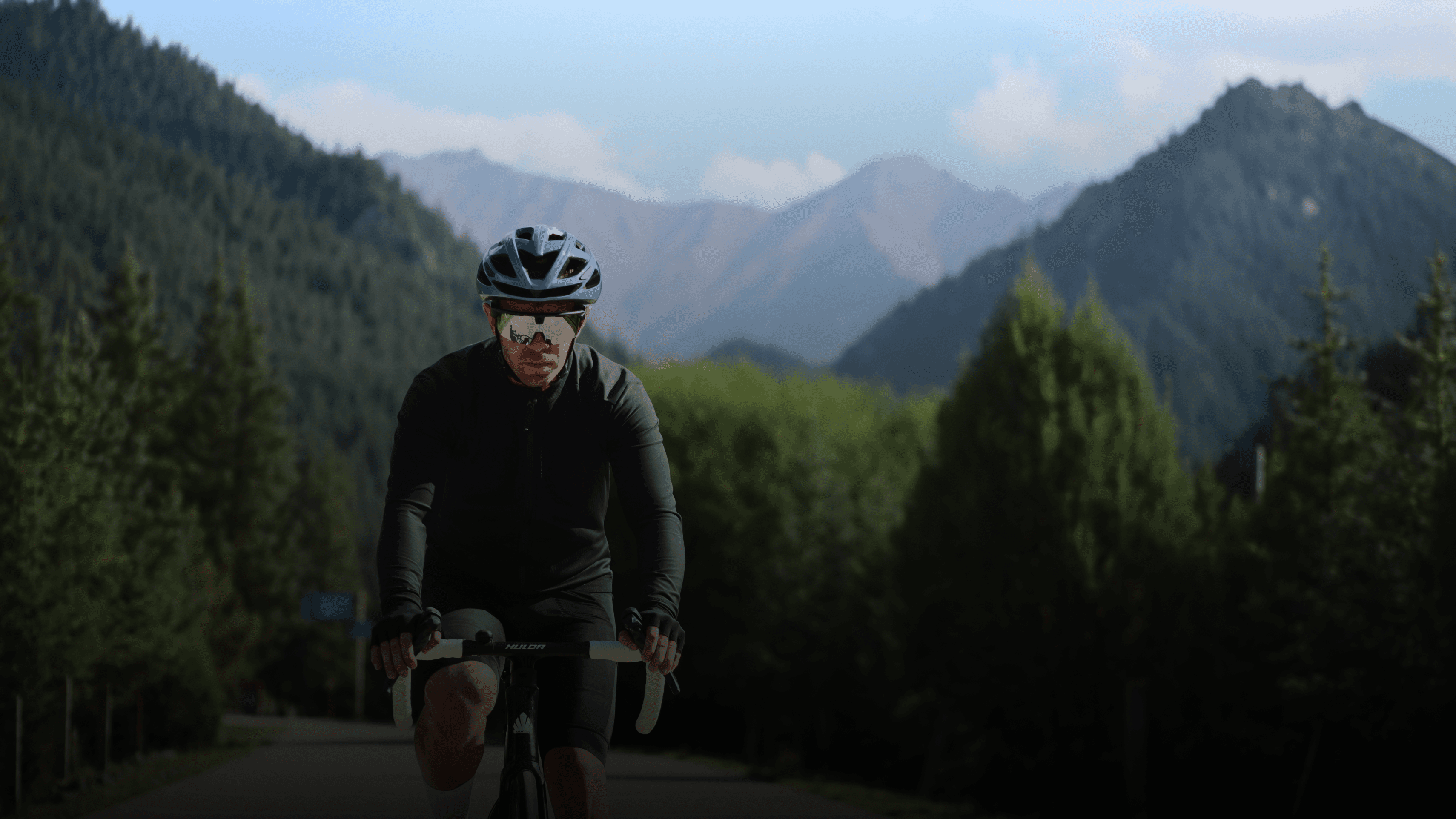
Better framing helps the whole video workflow
Angle control is not only about making footage look nicer. It also affects how useful the video is later. When the road, riders, lane position, and horizon stay in frame, the clip is easier to review, share, and edit.
That matters for Rover's wider AI workflow. A well-framed ride gives post-ride tools cleaner material for highlights, clip search, and route storytelling. For editing workflows, start with how to use BleeqUp App AI Highlights. For the current Rover model and availability, see the BleeqUp Rover AI Sports Glasses product page.
Recommended Rover products
For this adjustable-angle workflow, start with the BleeqUp Rover AI Sports Glasses. Riders who want a more complete setup for longer sessions can compare the Rover AI Sports Glasses Bundle and Rover Power Plus. If your routes move between sun, shade, and open road, the Rover Photochromic Lens is the Rover lens accessory to consider.
FAQ
Does Rover adjust the camera angle automatically?
The feature covered here is manual 3-level lens adjustment. Riders can set the lens at -10 degrees, 0 degrees, or 15 degrees before recording.
Which camera angle should a road cyclist try first?
For a lower road-bike or aero position, the 15 degree setting is a sensible first test. The best setting still depends on fit, helmet or cap choice, and riding posture.
Why does camera angle matter for AI clips?
AI editing and highlight tools work from the footage captured during the ride. A cleaner horizon, road line, and subject position give those tools better source material.


